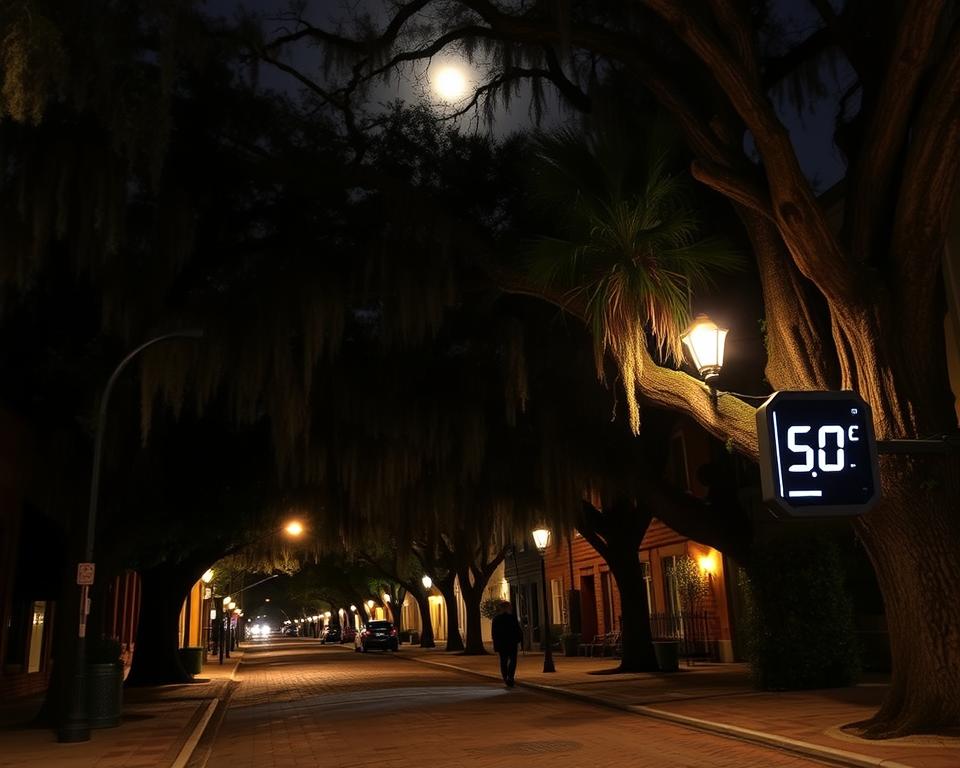
How Cold Does Savannah Get at Night? What to Expect
Many people wonder about Savannah’s night temperatures and evening climate. If you’re visiting or just curious, knowing the overnight lows is key. It helps you get ready for your trip.
Savannah’s climate is subtropical, with warm days and cool nights. January is the coldest month, with nights around 39°F (4°C). But summer evenings are much warmer, staying around 74°F (23°C).
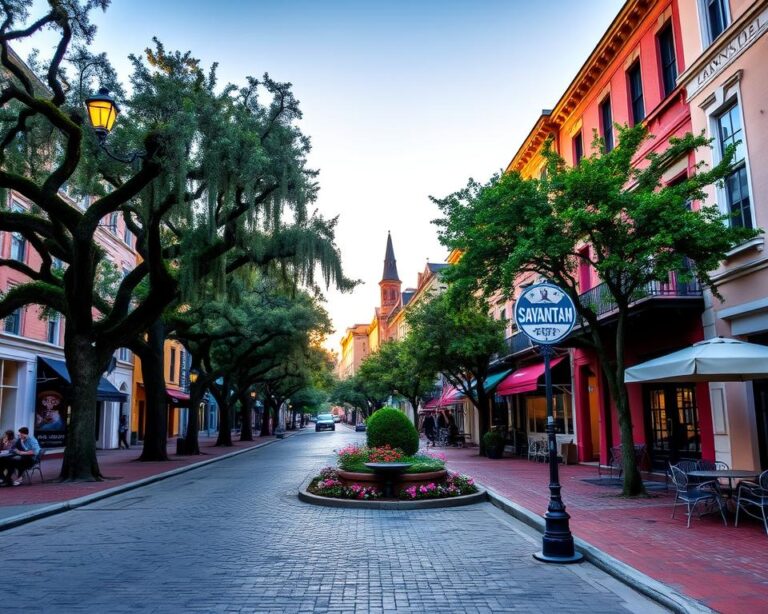
Spring and fall have nice evening temperatures, great for walking in Savannah’s historic squares. The city’s coastal location adds a cool breeze to the evenings, making them more comfortable.
Exploring Savannah’s night weather, we’ll show you what to expect. We’ll help you enjoy your evenings in this lovely city. Let’s look at Savannah’s nighttime climate all year round.
Understanding Savannah Night Temperatures Throughout the Year
Savannah’s night weather changes a lot with the seasons. We see different coastal Georgia nighttime temperatures. Let’s look at how these temperatures change throughout the year.
Winter Evening Temperature Patterns
Winter nights in Savannah can be quite cool. From December to February, the lows are usually between 39°F and 43°F. These cooler nights are great for enjoying warm drinks by the fireplace.
Summer Night Temperature Ranges
Savannah’s summer nights are warm and inviting. June through August, the nights are between 70°F and 75°F. These balmy evenings are perfect for outdoor fun and strolls along the coast.
Seasonal Temperature Fluctuations
Spring and fall in Savannah have mild evenings. These seasons offer a balance between winter’s cool and summer’s warmth. Our coastal location helps keep the climate stable, unlike inland areas.
Humidity is a big part of Savannah’s night weather. It can make summer evenings feel warmer than they actually are. This mix of warmth and moisture makes Savannah’s atmosphere unique.
Winter Nights in Savannah: December to February
Winter brings cooler nights to Savannah, perfect for cozy activities. Let’s explore how the city’s weather changes during these chilly months.
December Night Temperature Averages
In December, Savannah’s cool evenings arrive. The average low drops to 45°F, while daytime highs reach the low 60s. We enjoy about 5-6 hours of sunshine daily, with rainfall around 3 inches spread over 8-9 days.
January’s Coldest Nights
January is the coldest month in Savannah. Nighttime temperatures average 39°F. Daytime highs hover around 61°F. The city experiences about 21 frosty nights annually, with temperatures occasionally dropping to the 20s.
February Temperature Transitions
As February arrives, we start to feel a slight warming trend. Average lows climb to 43°F, signaling the approach of spring. Despite the chill, Savannah’s winters remain relatively mild compared to northern regions, rarely seeing snow or extreme cold.
Remember, even during these cooler months, Savannah’s charm doesn’t fade. The city’s beauty shines through, offering unique experiences for those who appreciate Savannah cool evenings.
Spring Evening Weather Conditions
Spring evenings in Savannah are perfect for being outside. As spring goes on, the nights get warmer. Let’s look at what the evening climate in Savannah is like during this lovely season.
March starts spring with temperatures from 35°F to 65°F in the evenings. By April, the nights are even milder. May brings warmer evenings. Here’s what you can expect:
- March: Evening temperatures average around 50°F
- April: Nighttime lows typically reach 54°F
- May: Evening temperatures warm up to about 62°F
May is especially nice, with lows from 60°F to 70°F. This makes it great for enjoying Savannah’s outdoor spots after dark. The sea water temperature near Savannah in May is between 70°F and 77°F, making it even more comfortable.
Spring in Savannah also means longer days. By late May, sunsets can be as late as 8:25 PM. This gives you lots of time to enjoy the evening. With an average of 9.5 hours of sunshine in May, you’ll have many chances to explore the city before it gets cooler.
Savannah’s Summer Night Climate
Summer nights in Savannah are warm and full of coastal charm. We enjoy balmy evenings perfect for outdoor fun and walks on historic streets. Let’s explore the details of Savannah’s summer nights.
Humidity Impact on Night Temperatures
Savannah’s summer nights rarely get below 70°F. Humidity makes the air feel warmer than it actually is. In July, lows average at 74°F, feeling quite humid.
Evening Cooling Patterns
When the sun sets, around 8:35 PM in July, it starts to cool down. Coastal Georgia’s nights usually reach the mid-70s, offering a break from the day’s heat. Temperatures keep dropping until just before dawn.
Coastal Influence on Night Weather
The Atlantic Ocean’s closeness is key to Savannah’s summer weather. Coastal breezes bring a cool relief in the evenings. These breezes, averaging 6.5 mph, help keep the nights comfortable.
Summer nights in Savannah can also see thunderstorms, especially early in the evening. July sees about 5.6 inches of rain over 12-13 days. Still, Savannah enjoys 9 hours of sunshine daily in July, making it great for exploring.
What to Pack for Savannah Nights
Packing for Savannah nights means thinking about the city’s changing weather. As the temperature drops in the evening, you need to be ready for anything. Here’s a list of must-haves to keep you cozy during your visit.
For spring and fall, when it’s warm but not too hot, bring these:
- Light jacket or sweater for Savannah cool evenings
- Comfortable walking shoes for exploring the city
- Rain gear for unexpected showers
- Photo-worthy outfits for visits to Forsyth Park
Summer nights in Savannah can get really warm, with days in the 90s. Make sure to pack:
- Breathable, light clothing
- Swimwear for Tybee Island beach trips
- Sun hat and sunscreen
- Sandals or flip-flops
Winter evenings can get quite cool, with highs in the 60s. Don’t forget to bring:
- Warm layers
- Jacket or coat
- Scarf and gloves
- Closed-toe shoes
Always check the weather forecast before you go. Savannah’s weather can surprise you. By packing wisely, you’ll be set to enjoy everything the city has to offer, day and night.
Best Times to Experience Pleasant Evening Temperatures
We love the night weather in Savannah, Georgia, especially in spring and fall. These seasons are perfect for outdoor fun. Let’s find out when you can enjoy the best low temps Savannah has.
Spring Evening Comfort Levels
Spring makes evenings in Savannah delightful. March and April have temperatures from 55°F to 75°F, great for walks in the Historic District. Don’t miss the NOGS Tour of Hidden Gardens in March or April. It’s a beautiful way to see Savannah’s beauty as night falls.
Fall Night Temperature Sweet Spot
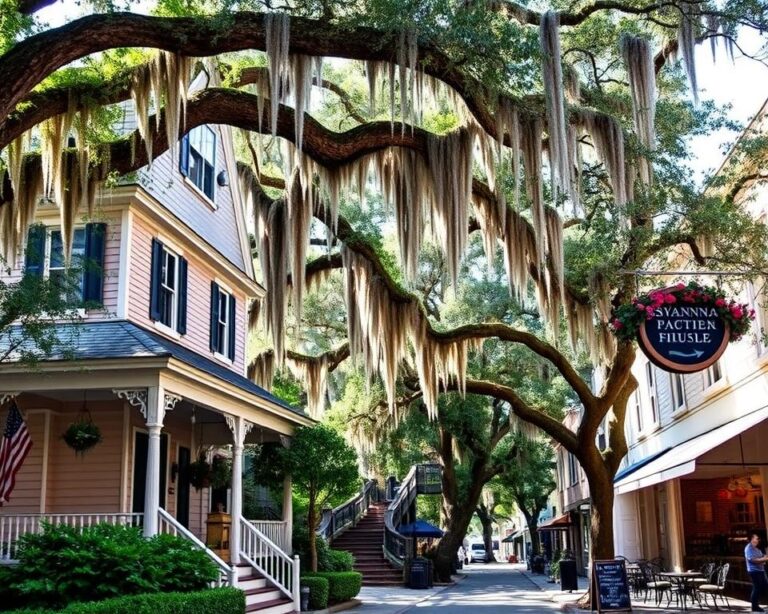
Fall is also a great time for Savannah’s night weather. September starts to cool down, with lows in the upper 60s. October is even better, with evenings in the upper 50s and low humidity. It’s perfect for ghost tours or dining outside in the historic squares.
Optimal Months for Outdoor Evening Activities
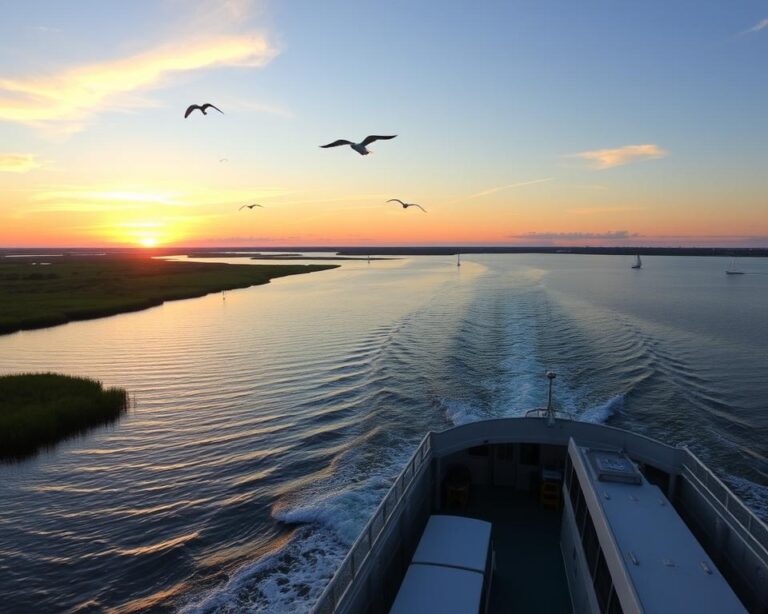
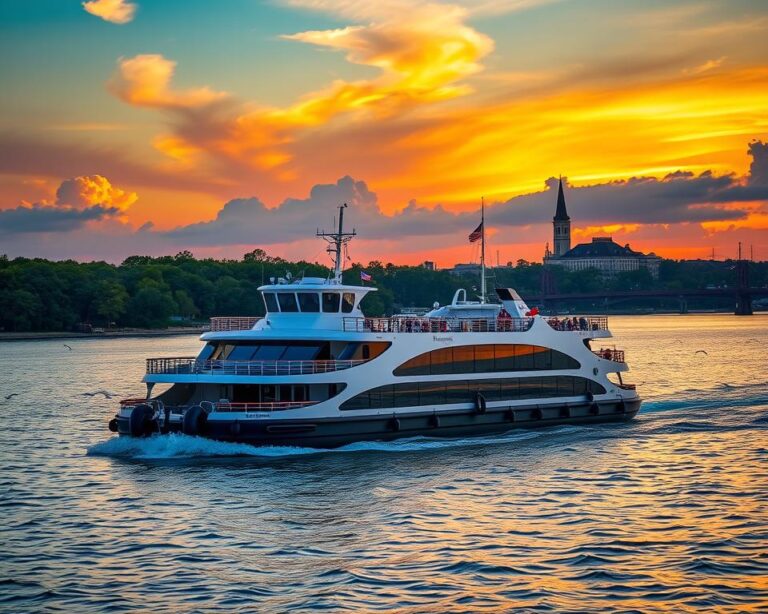
For the best outdoor fun, visit in April, May, September, or October. These months have the low temps everyone wants. Enjoy evenings in Forsyth Park or a sunset cruise on the Savannah River. August is rainy, so it’s best to skip it for evening activities.
Whether you want to explore Bonaventure Cemetery at dusk or have a late-night ice cream in City Market, these months are ideal. They make for unforgettable Savannah nights.
Coastal Effects on Nighttime Weather Patterns
Savannah’s coastal location greatly influences its nighttime weather. Being close to the Atlantic Ocean keeps temperatures more moderate than inland areas. This results in milder winters and cooler summer nights.
Ocean breezes bring a cooling effect during warm months. This makes nights more comfortable, especially after a hot day. However, the ocean also increases humidity, making nights feel sticky at times.
Recent data reveals interesting trends in Savannah’s weather. Daytime highs remain steady, but nighttime lows are rising. This change, along with higher humidity, alters how we experience nights. The hottest days in the past 50 years have mostly been in July, showing a warming trend.
These changes in nighttime temperatures are not just about comfort. They’re part of bigger climate shifts in the Southeast. We’re seeing more summer heatwaves, uneven warming, and coastal flooding due to sea level rise. Understanding these coastal effects on nighttime weather is key for both locals and visitors to Savannah.